The Dodecanese island group, situated in the sunniest corner of the southeastern Aegean Sea, comprises twelve large islands, each boasting a different character. This historical archipelago is one of the Mediterranean’s most popular destinations, offering fantastic beaches alongside imposing Byzantine, Medieval, and historically important archaeological sites. Architectural gems reflect influences dating back to the Italian Occupation. While Rhodes and Kos are the largest and most popular, smaller islands such as Lipsi and Tilos are perfect for relaxed and peaceful holidays. After a long history of occupations by the Knights Hospitaller, the Turks, and the Italians, the Dodecanese were integrated into Greece in 1948.
Bodrum, historically known as Halicarnassus, has a civilization history spanning 3,000 years, founded by the Dorians around 1000 BC. It is the birthplace of Herodotus, the ‘Father of History,’ who lived in the 5th century BC. The city once contained the Mausoleum of King Mausolus (350 BC), which is listed as one of the Seven Wonders of the World. Other structures include the Classical Era Amphitheatre and the well-preserved medieval ‘Castle of Saint Peter’. Beyond its historical wealth, Bodrum is renowned for its nature, crystal-clear seas, and lively nightlife, attracting writers and artists. Holidays here are divided into daytime rest and energetic nightlife after sunset.
Kos: Hippocrates, Turquoise Waters & Forts
Kos is the third largest island in the Dodecanese, following Rhodes and Karpathos. Populated since Neolithic times (5th-4th millennium BC), this historical island is famously the birthplace of Hippocrates, the “Father of Medicine” (460-377 BC). Kos is renowned for its endless beaches with turquoise waters, lush vegetation, and flowing streams. Its complex history is reflected in a blend of ancient and medieval monuments. In the 14th century, the Knights Hospitaller strengthened older castle fortifications. Visitors can also observe grand edifices constructed during the Italian rule (1912-1945) before the island’s integration into Greece in 1948.
Nisyros: Walk Inside the Active Volcano Caldera
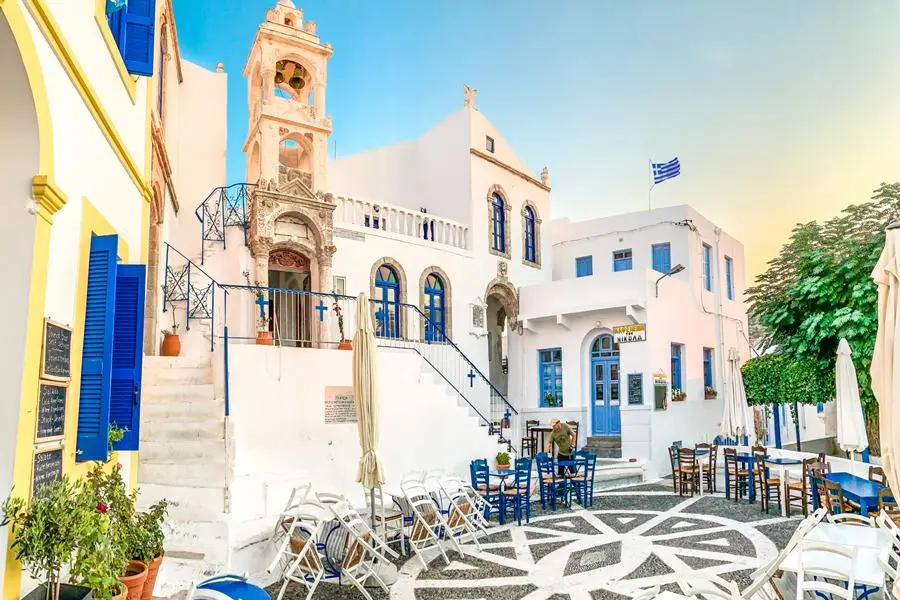
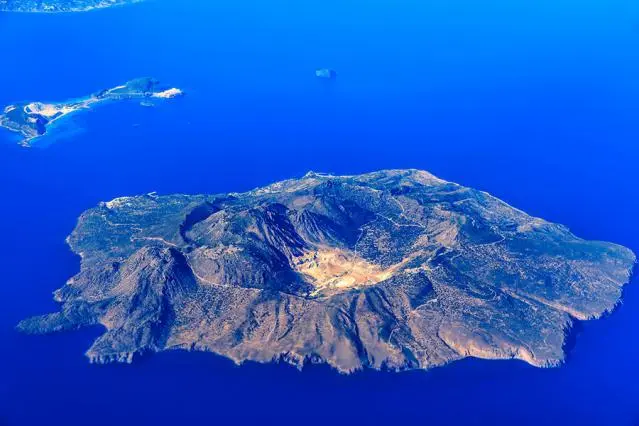
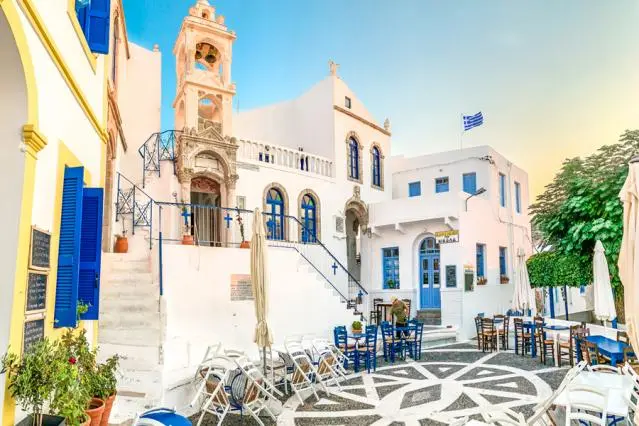
Nisyros is a stunning Aegean island that remains largely untouched by tourism growth. According to mythology, the island originated during the Gigantomachy when Poseidon hurled a piece of Kos onto the Giant Polyvotis, whose breathing now fuels the active volcano that created Nisyros. The capital, Mandraki, features houses built from volcanic rock and insulated with pumice. The island’s centerpiece is its volcano, where visitors can walk inside the caldera to observe ten craters, including the largest and most impressive one named “Stefanos”.
Tilos: Dwarf Elephants and Ecological Park
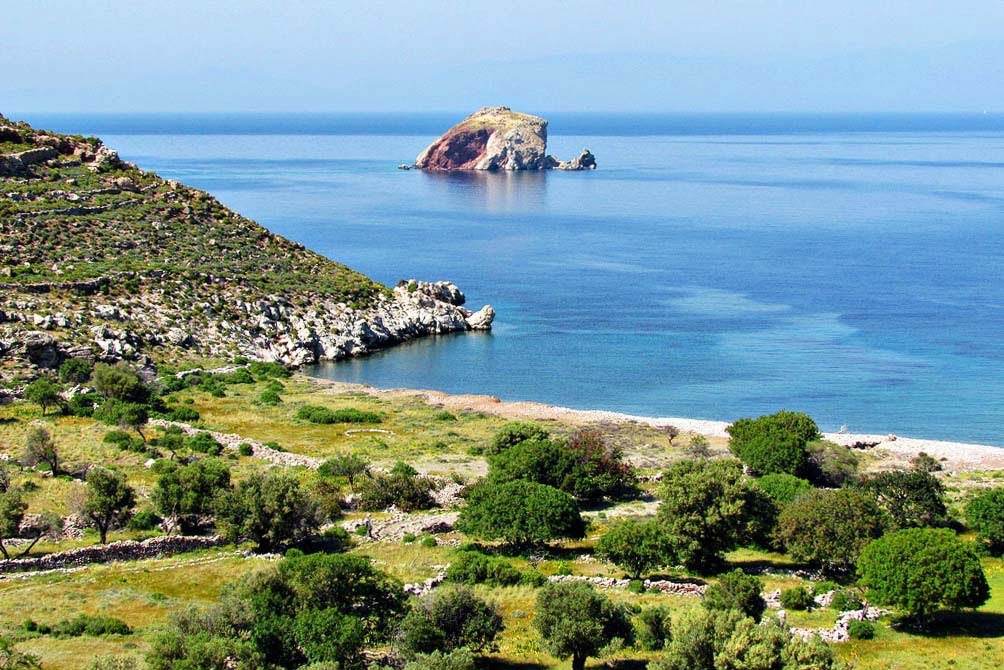
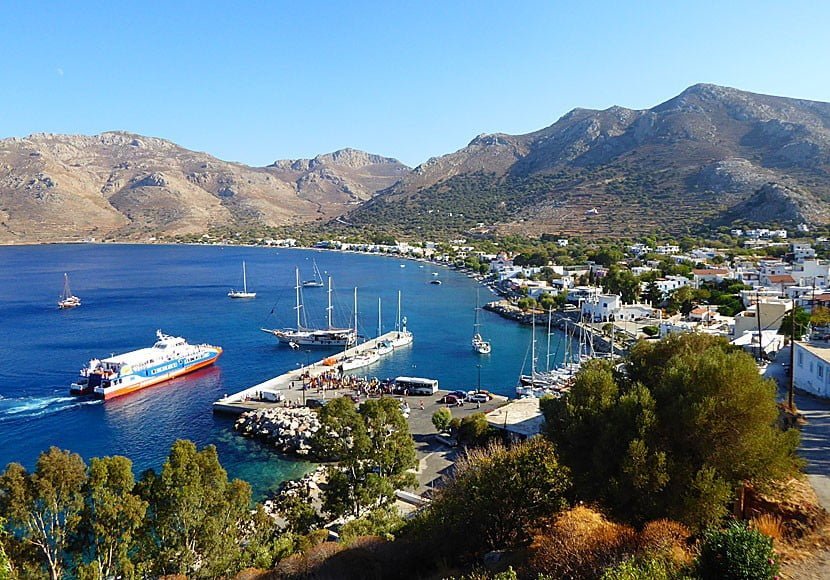
Tilos is characterized by rugged, forested mountains, hilly vistas, and verdant valleys that serve as habitat for 400 species of flora and rare birds like Bonelli’s eagles. The entire island operates as a huge ecological park protected by international treaties. Tilos is historically unique as the place where the last dwarf elephants in Europe lived, becoming extinct around 4,000 years ago. Its capital, Megalo Chorio, exhibits traditional, unaffected stone house architecture, and a medieval castle sits atop the ancient town site.
Chalki: Island of Peace and Neoclassical Beauty
Chalki was named after the copper (chalkos) mines that once existed there and has been recognized worldwide as the “Island of Peace and Friendship” since 1983. Its prosperity grew in the late 19th century through shipping and the sea sponge trade. Nimporio, the capital, is one of Greece’s most beautiful neoclassical towns, built in an amphitheater-like fashion, showcasing magnificent mansions that reflect its past wealth. Chalki has been listed as a heritage town.
Rhodes: Knights, UNESCO City & Ancient Wonders
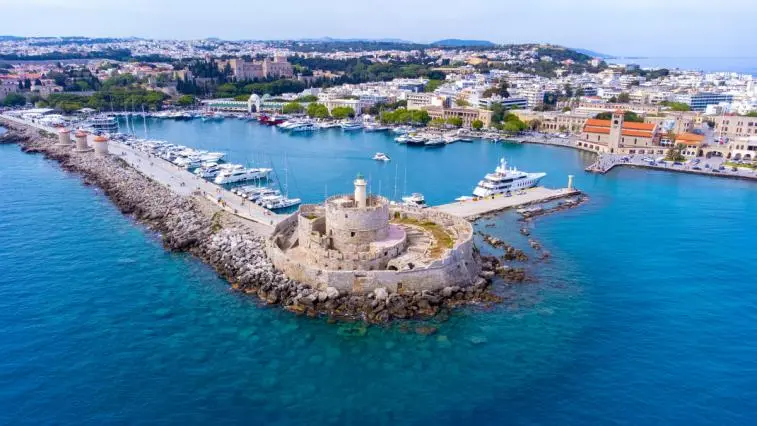
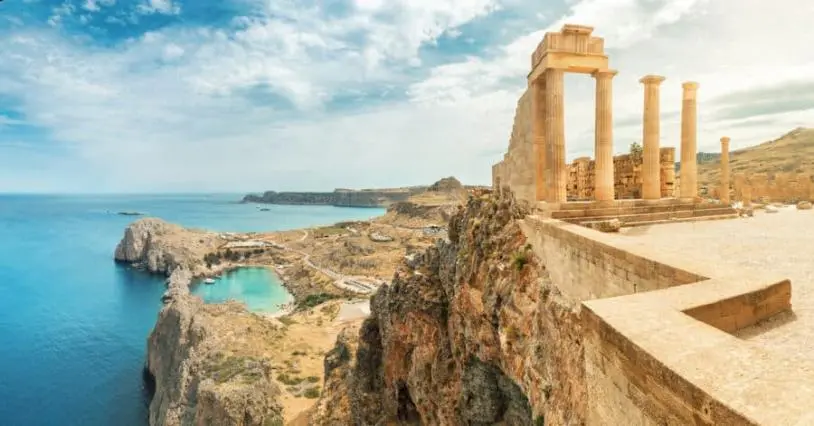
Rhodes is the largest island in the Dodecanese and the fourth largest in Greece, attracting over a million tourists annually. It flourished in the 4th century BC, achieving fame when the Colossus of Rhodes, one of the ancient world’s wonders, was erected. The Knights Hospitaller acquired the island in 1309 and restored the castle, adding fortifications that were unmatched in Europe at the time. The capital city, founded in 408 BC, is considered one of the most beautiful worldwide; its old, fortified medieval town, which blends medieval and modern architecture, is recognized as a UNESCO World Heritage Monument.
Symi: Neoclassical Port and Golden Age Grandeur
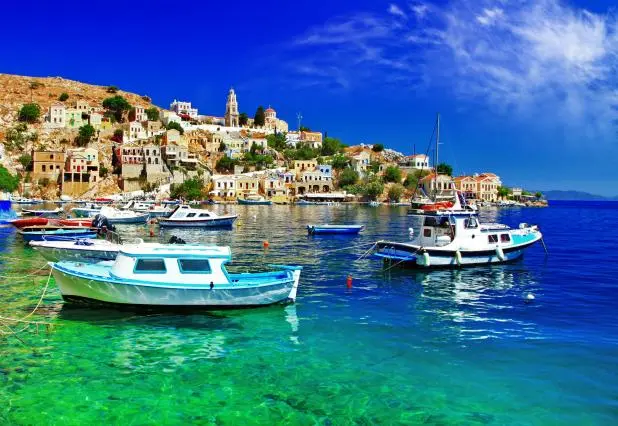
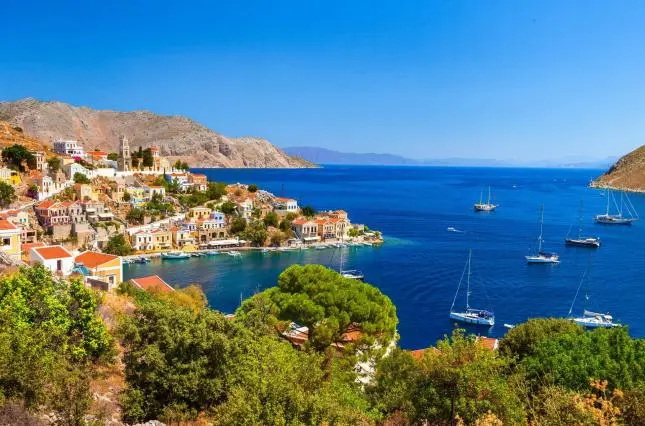
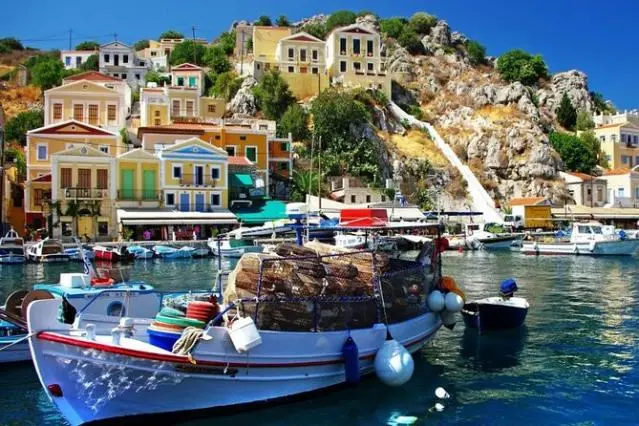
Symi is a cosmopolitan island known for having one of the country’s biggest and most beautiful neoclassical towns. Its wealth peaked in the 19th century, driven by shipbuilding and sea sponge harvesting. The capital is divided into the port, Gialos, which is lined with magnificent multi-colored neoclassical buildings, and the larger district, Chorio, which are connected by the 500 wide stone steps of Kali Strata. Symi is also home to the significant Taxiarchis Michail Panormitis Monastery, which houses a famous wonder-working icon of Archangel Michael covered in silver and gold.
Bozburun and Knidos present two distinct highlights of the Datca Peninsula. Bozburun is valued by captains for its unspoiled nature, calm atmosphere and crystal waters shifting from deep blue to turquoise, ideal for a peaceful escape. Nearby Asar Hill reveals remains of the ancient city of Larymna. Knidos, set above its ancient harbor, stands out with remarkable ruins of a once-prosperous Dorian city, famed for Praxiteles’ Aphrodite statue and the astronomer Eudoxos, who built an observatory here.
***Please note that this is a sample itinerary, and the actual route may vary based on weather conditions, the duration of the charter, and your preferences. A gulet charter allows for flexibility, so you can customize the itinerary according to your interests and desires.

 English
  Spanish
 German
 Italian
 French